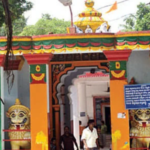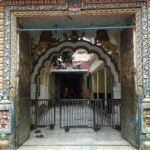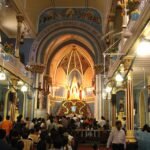
Shri Siddhivinayak Temple – Famous Temple In Mumbai

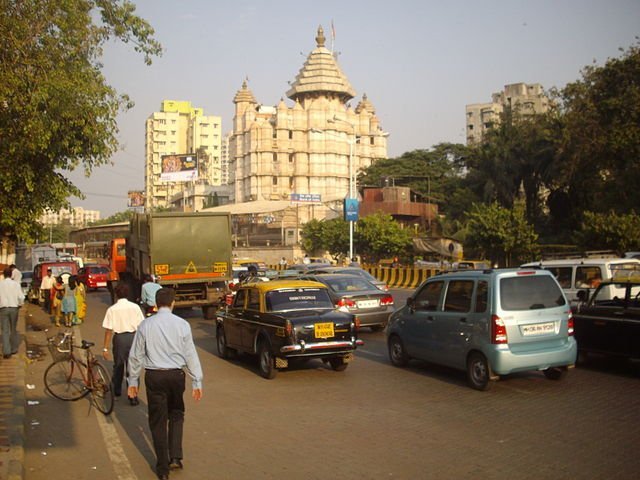
- 📍 Location: Mumbai
- 🎟️ Entry Fee: Free
- ⏰ Timings: 5:30 am to 10:00 pm.
- 🌍 Region: Maharashtra, Mumbai
About Shri Siddhivinayak Temple
Shri Siddhivinayak temple is dedicated to Lord Ganesha, the god of wisdom and success. This temple is located in the prestigious Prabhadevi area of Mumbai. Shri siddhivinayak temple is one of the most prestigious and popular as well as revered temples in Mumbai city. Lakhs of devotees and tourists visit here. The temple is also famous for its charitable activities. Shri Siddhivinayak Temple was originally built by Laxman Vithu Patil and Deubai Vithu Patil on 19 Nov 1801is built in.
According to mythology, Deubai was a childless woman. She made a vow to Ganesha for a son. If her wish was fulfilled, she promised to build a temple for Ganesha. After some time they got a son. And he built the temple on the land donated by Nagebai Dhurandhar, an Agri Bai. The temple houses the Siddhi Vinayak “Your Wish Fulfiller” Ganesha idol.
There is a meeting hall. Also, the idol in this temple is an idol carved in black stone. She has four hands. In his right hand is a lotus, The left hand is an axe. One hand holds a rosary while the other holds a Modaka wick Such a beautiful idol is covered with gold and precious stones.
Shri Siddhivinayak Temple is open for devotees daily from 5.30 am to 10.00 pm. Various pooja rituals are performed here and online services are also provided. The temple also has an official website and mobile application. Many festivals like Ganesh Chaturthi, Maghi Ganesh Jayanti, Sankashti Chaturthi etc are celebrated in the temple. A special darshan is conducted in the temple every Tuesday.
Therefore, every Tuesday is crowded here. Shri siddhivinayak temple is not only a place of worship but also a place of worship for many people in Mumbai. It is believed that Shri Siddhivinayak fulfills the wishes of those who sincerely worship Ganesha.
History of the Shri Siddhivinayak Temple
The Shri Siddhivinayak Temple is a famous Hindu temple in Mumbai, dedicated to Lord Ganesh, the god of wisdom and success. It was built in 1801 by Laxman Vithu and Deubai Patil, a childless couple who donated the land and the funds for the temple. They hoped that Ganesh would bless other women with children.
The temple has a small hall with the idol of Siddhi Vinayak (“Ganesha who grants your wish”). The idol is made of black stone and has four arms, holding a lotus, an axe, a rosary and a bowl of modak. The idol also has a third eye and a snake around its neck. The idol is surrounded by two goddesses, Riddhi and Siddhi, who represent prosperity and success.
The temple also has a legend that Ramakrishna Jambhekar Maharaj, a disciple of Akkalkot Swami Samarth, buried two divine idols under the instructions of his guru in front of the Ganesh idol. He predicted that after 21 years, a mandar tree would grow on that spot and a self-manifested Ganesh would appear on its branches. He also said that from then on, the temple would become famous and attract many devotees.
Shri Siddhivinayak Temple has undergone several changes and renovations over the years. In 1952, Jayant Salgaonkar, an editor of a local newspaper, renovated the temple and added an upper floor to the hall. In 1990, Pramod Navalkar, a politician and trustee of the temple, expanded the temple complex and added new facilities such as an auditorium, a library, a kitchen and shops.
In 2003, Narayan Rane, another politician and trustee of the temple, replaced the gold-plated dome with a new one made of titanium alloy. He also added two more floors to the hall and installed escalators, elevators and ramps for the convenience of the devotees.
The temple today is one of the most visited and revered temples in India. It attracts millions of devotees every year from all walks of life and faiths. The temple is also known for its charitable activities and social services. It provides financial support for medical care, education, dialysis centers and hospitals. It also organizes various poojas and e-sevas for the devotees. The temple also has a live darshan facility on its website and mobile app.
The Shri Siddhivinayak Temple is a symbol of hope and happiness for many people who seek the blessings of Lord Ganesh.
Architecture and Design of the Shri Siddhivinayak Temple
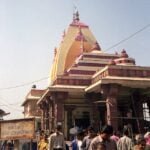
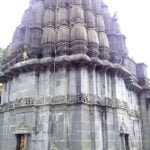
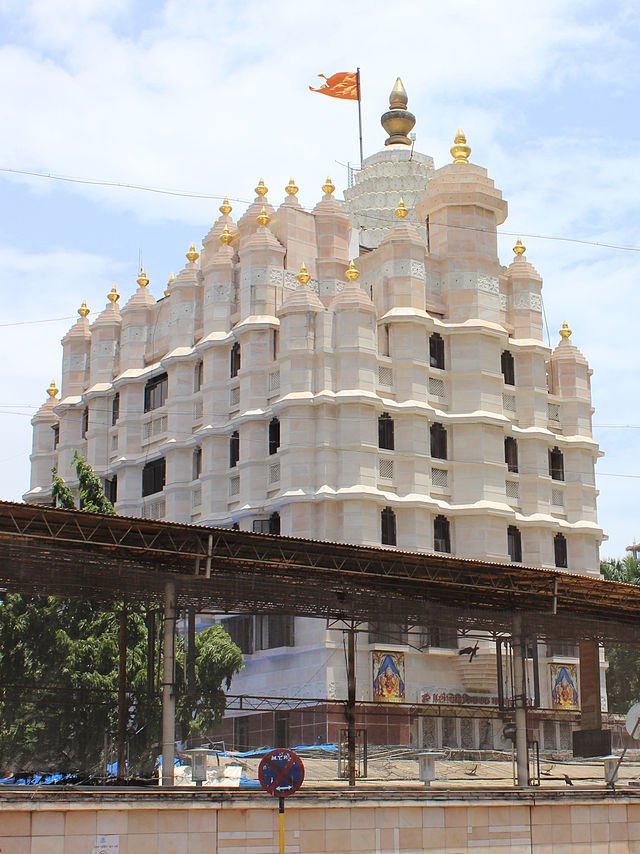
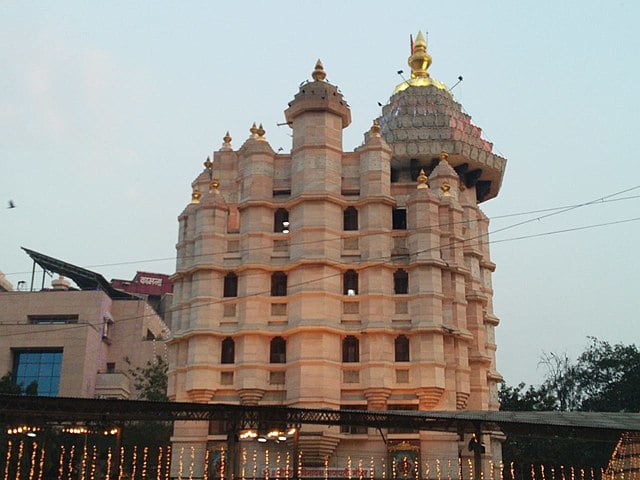
The Shri Siddhivinayak Temple is a remarkable example of Hindu temple architecture and design. The temple has a unique multiangular, six-storied structure that reaches to the skies with a main central dome plated with gold. The temple also has various design elements and features that reflect the symbolism and significance of Lord Ganesh and his worship.
The temple was designed by Sharad Athale, an architect who studied the temples in Rajasthan and Tamil Nadu. He was inspired by the Shiva Temple at Ambernath, which had a solid stone elevation and had faced the local climatic conditions admirably. He also incorporated some modern features such as reinforced cement concrete, titanium alloy, CCTV cameras, metal detectors, escalators, elevators and ramps.
The temple has three main entrances that lead to the interior. The wooden doors to the sanctum are carved with images of the Ashtavinayak (the eight manifestations of Ganesha in Maharashtra). The inner roof of the sanctum is also plated with gold, and the central statue is of Ganesha. The idol is carved out of a single black stone and has four arms, holding a lotus, an axe, a rosary and a bowl of modak.
The lotus represents purity and enlightenment, the axe represents power and protection, the rosary represents knowledge and devotion, and the modak represents happiness and satisfaction. The idol also has a third eye on its forehead and a snake around its neck.
The third eye represents wisdom and insight, and the snake represents energy and transformation. The idol is flanked by two goddesses, Riddhi and Siddhi, who represent prosperity and success.
The exterior of the temple consists of a dome that is lit up with multiple colors in the evenings. The dome symbolizes the cosmic energy and the divine presence of Ganesha. The statue of Ganesha is located exactly under the dome, signifying his supremacy over all creation.
The pillars are carved out with the images of Ashtavinayak, representing the different aspects and attributes of Ganesha. The temple also has a Hanuman temple in the periphery, representing the devotion and service of Hanuman to Lord Rama.
The temple also has various design features that enhance the aesthetic appeal and functionality of the temple. The temple has an auditorium, a library, a kitchen, toilets and shops for the convenience of the devotees.
The temple also has a live darshan facility on its website and mobile app, allowing people to view the idol from anywhere in the world. The temple also has a beautiful garden with fountains and sculptures, creating a serene and peaceful atmosphere.
The Shri Siddhivinayak Temple is a masterpiece of architecture and design that showcases the glory and grace of Lord Ganesh.
Religious Significance of the Shri Siddhivinayak Temple
The Shri Siddhivinayak Temple is a sacred and important place of worship for Hindus, especially for the devotees of Lord Ganesha. Lord Ganesha is the elephant-headed god of wisdom, success and obstacle removal. He is also known as Siddhi Vinayak, which means “Ganesha who grants your wish”. The temple is believed to fulfill the desires and wishes of those who pray to Ganesha with sincerity and devotion.
Lord Ganesha has a special connection to the temple, as he is said to have manifested himself on a mandar tree that grew on the spot where two divine idols were buried by Ramakrishna Jambhekar Maharaj, a disciple of Akkalkot Swami Samarth.
He also prophesied that the temple would become famous and attract many devotees. The temple also has a legend that Deubai Patil, a childless woman who donated the land and the funds for the temple, prayed to Ganesha for a son and vowed to build a temple for him if her wish was granted. She also wished that Ganesha would bless other women with children.
The temple has various rituals and practices that take place at the temple, such as daily poojas (rituals), abhishek (ritual bathing), aarti (ritual waving of lamps), naivedya (offering of food), prasad (sacred food), e-sevas (online services) and darshan (viewing).
The temple also celebrates various festivals throughout the year, such as Ganesh Chaturthi, Maghi Ganesh Jayanti, Sankashti Chaturthi, Angarki Chaturthi, and Gudi Padwa. The temple also organizes various cultural programs and events, such as bhajans (devotional songs), kirtans (devotional chants), lectures, discourses and exhibitions.
The Shri Siddhivinayak Temple is a place of faith and hope for many people who seek the blessings of Lord Ganesha.
Visiting the Shri Siddhivinayak Temple
The Shri Siddhivinayak Temple is a must-visit destination for anyone who wants to experience the grace and glory of Lord Ganesha. The temple is open every day of the year, from 5:30 am to 10:00 pm. Visit during Mumbai One day tour By cab. However, Tuesdays are considered to be the most auspicious day for Ganesha worship, and the temple attracts huge crowds of devotees on this day. The temple also witnesses a surge of visitors during festivals such as Ganesh Chaturthi, Maghi Ganesh Jayanti, Sankashti Chaturthi, Angarki Chaturthi, and Gudi Padwa.
Visiting the temple is a rewarding and enriching experience for anyone who wants to seek the blessings of Ganesha and witness the beauty and splendor of the temple architecture and design. Visitors can expect to see the magnificent idol of Ganesha in the sanctum, adorned with gold and precious stones.
They can also admire the carved wooden doors, the gold-plated dome, the pillars with Ashtavinayak images, and the Hanuman temple in the periphery. They can also enjoy the serene and peaceful atmosphere of the temple garden, with its fountains and sculptures.
Visitors can also participate in various rituals and practices that take place at the temple, such as poojas (rituals), abhishek (ritual bathing), aarti (ritual waving of lamps), naivedya (offering of food), prasad (sacred food), e-sevas (online services) and darshan (viewing).
They can also book online poojas, make donations and receive notifications through the temple website or mobile app. They can also watch live darshan of Ganesha from anywhere in the world through these platforms.
Visitors who are planning to visit the temple should keep in mind some important details, such as:
- The temple has a dress code that requires visitors to wear decent and modest clothes. Shorts, skirts, sleeveless tops and other revealing outfits are not allowed inside the temple premises.
- The temple does not allow photography or videography inside the sanctum or near the idol of Ganesha. Visitors can take pictures or videos outside the temple or in the garden area.
- The temple does not allow visitors to carry any leather items, such as belts, wallets, bags or shoes inside the temple premises. Visitors can deposit these items at a locker facility near the entrance gate.
- The temple does not allow visitors to carry any food or drink items inside the temple premises. Visitors can buy prasad or other snacks from the shops outside the temple or in the complex.
- The temple has a security check at the entrance gate where visitors have to pass through metal detectors and bag scanners. Visitors should cooperate with the security staff and follow their instructions.
- The temple has various facilities for the convenience of visitors, such as toilets, drinking water, shoe racks, wheelchairs, escalators, elevators and ramps. Visitors should use these facilities responsibly and keep them clean.
The Shri Siddhivinayak Temple is a place of faith and hope for many people who seek the blessings of Lord Ganesha. Visiting the temple is a memorable and meaningful experience that can enrich one’s life.
Festivals and Events at the Shri Siddhivinayak Temple
The Shri Siddhivinayak Temple is a place of joy and celebration for the devotees of Lord Ganesha. The temple hosts various festivals and events throughout the year, marking the auspicious occasions and honoring the deity. Some of the major festivals and events that take place at the temple are:
- Ganesh Chaturthi: This is the most important and popular festival of Ganesha, celebrated on the fourth day of the Hindu month of Bhadrapada (August-September). The festival commemorates the birthday of Ganesha and lasts for 10 days. The temple is decorated with flowers, lights and colorful flags. The idol of Ganesha is adorned with gold and jewels. The devotees offer prayers, sweets, fruits and flowers to Ganesha. They also perform cultural programs and events, such as bhajans, kirtans, dances and dramas. On the last day of the festival, the idol of Ganesha is taken out in a grand procession and immersed in water, symbolizing his return to his abode.
- Maghi Ganesh Jayanti: This is another festival that celebrates the birthday of Ganesha, but on a smaller scale. It is observed on the fourth day of the Hindu month of Magha (January-February). The temple is decorated with flowers and lamps. The idol of Ganesha is dressed in red clothes and offered modak (sweet dumplings), his favorite food. The devotees visit the temple and seek his blessings for a prosperous and happy year ahead.
- Sankashti Chaturthi: This is a monthly festival that occurs on the fourth day after the full moon day of every Hindu lunar month. It is believed that Ganesha bestows his grace and removes the obstacles of his devotees on this day. The devotees observe a fast from sunrise to moonrise and break it after seeing the moon and offering prayers to Ganesha. They also recite his names and stories and listen to his glory.
- Angarki Chaturthi: This is a special Sankashti Chaturthi that occurs when the fourth day after the full moon coincides with Tuesday, which is considered to be Ganesha’s day. It is regarded as a very auspicious day for worshipping Ganesha and seeking his favors. The devotees follow the same rituals as Sankashti Chaturthi, but with more fervor and devotion. They also offer red flowers, red clothes and red sandalwood to Ganesha.
- Gudi Padwa: This is the Hindu new year that falls on the first day of the Hindu month of Chaitra (March-April). It marks the beginning of spring and a new cycle of life. The temple celebrates this festival by hoisting a gudi (a flag with a pot) on its dome, symbolizing victory and prosperity. The devotees visit the temple and offer prayers, sweets and coconuts to Ganesha. They also wear new clothes and exchange greetings with each other.
Attending these festivals and events at the Shri Siddhivinayak Temple is a wonderful way to experience the faith and culture of Mumbai and India. However, visitors should keep in mind some important details, such as:
- The temple becomes very crowded during these festivals and events, especially on Tuesdays. Visitors should be prepared to wait in long queues for darshan (viewing) or pooja (ritual). They should also follow the security guidelines and instructions of the temple staff.
- The temple has a dress code that requires visitors to wear decent and modest clothes. Shorts, skirts, sleeveless tops and other revealing outfits are not allowed inside the temple premises.
- The temple does not allow photography or videography inside the sanctum or near the idol of Ganesha. Visitors can take pictures or videos outside the temple or in the garden area.
- The temple does not allow visitors to carry any leather items, such as belts, wallets, bags or shoes inside the temple premises. Visitors can deposit these items at a locker facility near the entrance gate.
- The temple does not allow visitors to carry any food or drink items inside the temple premises. Visitors can buy prasad or other snacks from the shops outside the temple or in the complex.
The Shri Siddhivinayak Temple is a place of joy and celebration for many people who seek the blessings of Lord Ganesha.
Impact of the Shri Siddhivinayak Temple
The Shri Siddhivinayak Temple is a place of influence and contribution for the local community and beyond. The temple has impacted the cultural and religious landscape of the region and has helped individuals and the community as a whole. Some examples of how the temple has made a difference are:
- The temple has preserved and promoted the heritage and tradition of Lord Ganesha worship in Mumbai and Maharashtra. The temple has been a witness to the history and evolution of the city and has maintained its original structure and idol for over two centuries. The temple has also been a center of learning and dissemination of Hindu scriptures, literature, music and art.
- The temple has fostered and supported the social and economic development of the community. The temple has provided employment and livelihood opportunities for many people, such as priests, staff, vendors, artisans and performers. The temple has also donated money and resources for various causes, such as medical care, education, dialysis centers and hospitals. The temple has also organized various social services and welfare activities, such as blood donation camps, free meals, eye check-ups and cataract surgeries.
- The temple has inspired and empowered many individuals to achieve their goals and aspirations. The temple has been a source of faith and hope for many people who seek the blessings of Lord Ganesha for their personal and professional endeavors. The temple has also been a place of solace and comfort for many people who face challenges and difficulties in their lives. The temple has also been a place of joy and celebration for many people who express their gratitude and happiness to Lord Ganesha.
The Shri Siddhivinayak Temple is a place of influence and contribution for many people who seek the blessings of Lord Ganesha.
FAQ’s
Can I visit Siddhivinayak Temple today?
Yes, you can visit Siddhivinayak Temple today. The temple is open every day of the year, from 5:30 am to 10:00 pm. However, you should check the temple website or mobile app for any updates or changes in the timings or guidelines due to the COVID-19 situation.
How can I get darshan at Siddhivinayak Temple Mumbai?
You can get darshan at Siddhivinayak Temple Mumbai by visiting the temple in person or by watching the live darshan on the temple website or mobile app. You can also book online poojas and e-sevas through these platforms and receive notifications and blessings from the temple.
What is the story behind Siddhivinayak Temple?
The story behind Siddhivinayak Temple is that it was built by Laxman Vithu and Deubai Patil, a childless couple who donated the land and the funds for the temple in 1801. They prayed to Lord Ganesha to grant children to other infertile women.
The temple also has a legend that Ramakrishna Jambhekar Maharaj, a disciple of Akkalkot Swami Samarth, buried two divine idols in front of the presiding deity of the temple on the orders of his guru. He also prophesied that a mandar tree would grow at that spot with a svayambhu Ganesha in its branches after 21 years.
Why Siddhivinayak Mandir is so famous?
Siddhivinayak Mandir is so famous because it is believed to be a wish-fulfilling shrine and a source of divine blessings from Lord Ganesha. The temple attracts millions of devotees every year, including celebrities and politicians, who seek the grace and favor of Lord Ganesha for their personal and professional endeavors.
The temple also has a unique and exquisite architecture and design, featuring a gold-plated dome, a small mandap with the idol of Siddhi Vinayak, carved wooden doors with images of Ashtavinayak, and various other design elements and features that reflect the symbolism and significance of Lord Ganesha and his worship.
Can we go to Siddhivinayak without booking?
Yes, you can go to Siddhivinayak without booking. However, you may have to wait in long queues for darshan or pooja, especially on Tuesdays or during festivals and events. You can also book online poojas and e-sevas through the temple website or mobile app and avoid the queues.
Which day is most crowded in Siddhivinayak?
The day that is most crowded in Siddhivinayak is Tuesday, which is considered to be an auspicious day for worshipping Lord Ganesha. The temple witnesses huge crowds of devotees on this day, who offer prayers, sweets, fruits and flowers to Ganesha. The temple also witnesses a surge of visitors during festivals such as Ganesh Chaturthi, Maghi Ganesh Jayanti, Sankashti Chaturthi, Angarki Chaturthi, and Gudi Padwa.
Conclusion
The Shri Siddhivinayak Temple is a magnificent and marvelous temple dedicated to Lord Ganesha, the elephant-headed god of wisdom, success and obstacle removal. The temple is located in Prabhadevi, Mumbai, and is one of the most visited and revered temples in India. The temple has a rich and fascinating history, dating back to 1801, when it was built by Laxman Vithu and Deubai Patil, a childless couple who donated the land and the funds for the temple.