Darbhanga Fort: Best Glimpse into the Grandeur of Bihar’s Royal Past

About Darbhanga Fort: Best Glimpse into the Grandeur of Bihar’s Royal Past
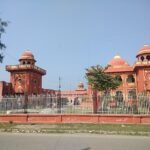
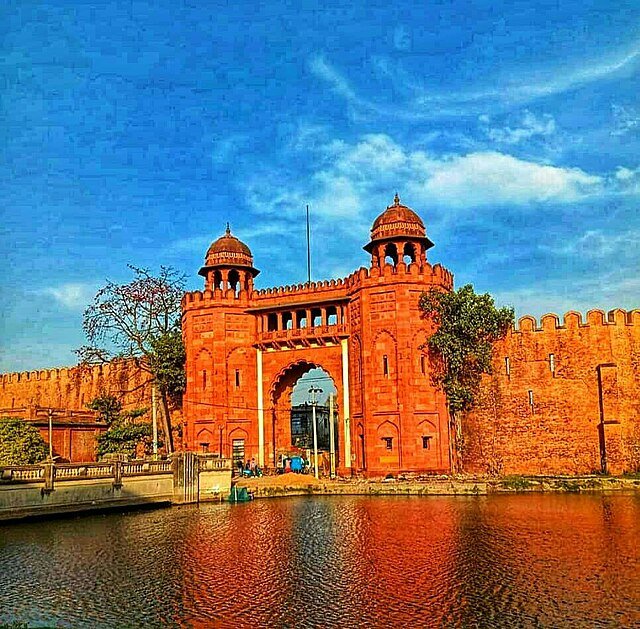
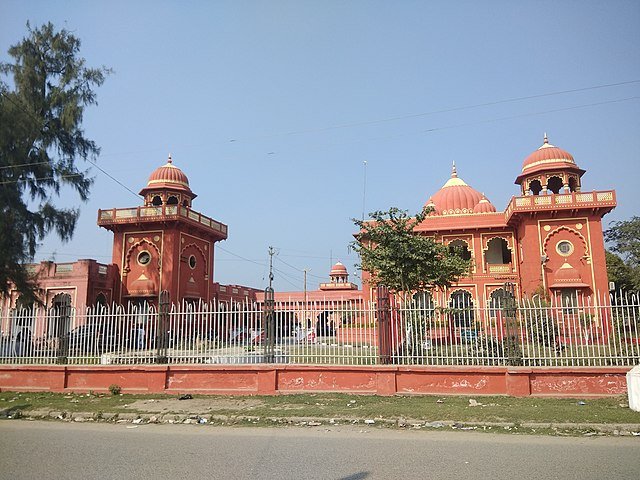
The *Darbhanga Fort, located in the historic city of Darbhanga in Bihar, is a testament to the royal heritage of the Darbhanga Raj family. This sprawling fort, also known as *Raj Darbhanga, was built in the 19th century by Maharaja Kameshwar Singh.
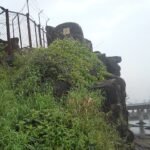
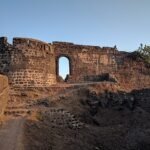
It is a symbol of the opulence, power, and architectural brilliance of the Mithila region’s royal dynasty. The fort, surrounded by high walls and massive gates, reflects both Mughal and British architectural styles. Although much of the fort has fallen into disrepair over time, it still stands as a significant historical and cultural landmark. Visit during One Day Darbhanga Sightseeing Trip By Private Cab
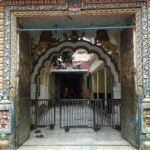
The fort complex once housed palaces, temples, and administrative buildings. Its impressive gates, vast courtyards, and intricate carvings showcase the craftsmanship of the era. Despite being in ruins today, the Darbhanga Fort continues to attract tourists, history enthusiasts, and researchers interested in the royal heritage of Bihar. You can read Bodh Gaya Archaeological Museum: Exploring Famous Ancient Buddhist History
Location of Darbhanga Fort
The Darbhanga Fort is located near the northern banks of the Bagmati River in the heart of Darbhanga city, Bihar. It is easily accessible from various parts of the city and is one of the prime attractions in the region.
- Address: Raj Darbhanga, Darbhanga, Bihar, India.
- Coordinates: 26.1578° N, 85.9028° E
Time/Entry Fees of Darbhanga Fort
- Timings: The fort is open for visitors from 8:00 AM to 6:00 PM. However, since some parts of the fort are privately owned and in a state of disrepair, access to certain areas may be restricted.
- Entry Fees: There is generally no entry fee for visiting the fort, but visitors are encouraged to seek local guidance regarding accessible areas.
How to Reach Darbhanga Fort
By Air
The nearest airport to Darbhanga Fort is *Darbhanga Airport, which is located about *10 kilometers from the fort. Darbhanga Airport has domestic flights connecting to cities like Delhi, Mumbai, and Bengaluru. From the airport, you can hire a taxi or take an auto-rickshaw to reach the fort in about 20 to 30 minutes.
By Rail
Darbhanga Junction is the nearest railway station, located about 2 kilometers from the fort. The station is well-connected to major cities like Patna, Kolkata, Delhi, and Varanasi. From the railway station, visitors can take a local rickshaw or taxi to reach the fort within 10 minutes.
By Road
Darbhanga is well-connected by road to various cities in Bihar and neighboring states.
- From Patna: Darbhanga is about 140 kilometers from Patna. Visitors can take a bus, hire a taxi, or drive along NH 27 and NH 527B. The journey takes around 3 to 4 hours.
- From Muzaffarpur: Darbhanga is approximately 60 kilometers from Muzaffarpur. The road journey takes about 1.5 hours, and buses or taxis are readily available.
- From Kolkata: Darbhanga is around 500 kilometers from Kolkata. While driving is an option, it is more convenient to travel by train or fly to Darbhanga and then take a taxi to the fort.
Things to Do at Darbhanga Fort
- Explore the Fort’s Architecture: Wander around the fort to admire its architectural details, including its grand gates, courtyards, and remnants of the old palaces.
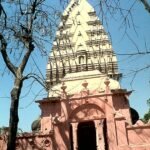
- Visit the Temples: The fort complex houses several temples that are still in use. Notable among them is the Shyama Kali Temple, dedicated to Goddess Kali.
- Photography: The fort’s grandeur, despite its ruined state, offers an excellent opportunity for photography enthusiasts. The imposing gates, ancient structures, and scenic surroundings make for great photos.
- Learn About the Royal History: Local guides or information plaques can provide insights into the history of the Darbhanga Raj family and their contributions to the region.
- Bagmati River: Take a walk along the banks of the nearby Bagmati River for some peaceful moments and a beautiful view of the surroundings.
- Attend Local Festivals: If you visit during Durga Puja or other local festivals, you may witness the fort’s temples come alive with celebrations, processions, and rituals.
Nearest Tourist Attractions of Darbhanga Fort
- Shyama Kali Temple: Situated within the fort premises, this temple is a major pilgrimage site for devotees of Goddess Kali.
- Ahilya Asthan: Located about 24 kilometers from Darbhanga, this temple is dedicated to Sita, the goddess and wife of Lord Rama. It’s an important religious spot in the Mithila region.
- Maharaja Laxmishwar Singh Museum: Located in Darbhanga city, this museum offers a collection of artifacts, including royal treasures, manuscripts, and sculptures, giving visitors a deeper insight into the history of the Darbhanga Raj family.
- Darbhanga Raj Palace: Although not fully accessible, this nearby palace complex, also known as Nargona Palace, was once the residential quarters of the royal family and is another site worth visiting.
- Kusheshwar Asthan Bird Sanctuary: About 45 kilometers from Darbhanga, this sanctuary is a haven for bird lovers, especially during the winter months when migratory birds arrive.
- Chandradhari Museum: This museum houses an impressive collection of Mithila paintings, ancient coins, and archaeological findings from the region.
Significance/History of Darbhanga Fort
The Darbhanga Fort is historically significant because it was the seat of the Maharajas of Darbhanga, who ruled over a vast territory during the British Raj. The fort was built in the 19th century by Maharaja Kameshwar Singh, a key figure in the Mithila region’s history and politics. He was a philanthropist, a scholar, and a significant player in Indian politics during the early 20th century.
The fort represents the might and wealth of the Darbhanga Raj family, one of the richest zamindar families in India at the time. The family played a crucial role in the development of the region, establishing schools, hospitals, and libraries. They also contributed to the spread of *Mithila art and culture, including *Madhubani paintings and Maithili literature.
The Darbhanga Fort was not only a residence but also a center of administration for the region. It had facilities for judicial proceedings, administrative work, and housing for soldiers. However, over time, with the decline of the zamindari system and lack of maintenance, the fort fell into disrepair, with only parts of it remaining intact today.
FAQs
Is Darbhanga Fort open to the public?
Yes, visitors can explore the outer sections of the fort, but some areas are restricted as they are privately owned or in a dilapidated state.
What is the best time to visit Darbhanga Fort?
The best time to visit is during the winter months (November to February) when the weather is pleasant. Avoid visiting in the summer, as it can get extremely hot.
Are there guided tours available at the fort?
Local guides are available who can offer insights into the history and architecture of the fort. You can also visit nearby tourist spots with the help of these guides.
Is photography allowed inside the fort?
Yes, photography is allowed, but certain sections may have restrictions.
What should I wear when visiting Darbhanga Fort?
Modest clothing is recommended, especially if you plan to visit the temples within the fort complex.
Are there any nearby hotels or restaurants?
Yes, Darbhanga city has several hotels and restaurants catering to different budgets. Some hotels offer views of the fort and the surrounding areas.
Conclusion
The Darbhanga Fort is not only a monument of historical importance but also a symbol of the rich cultural and architectural heritage of Bihar. While much of the fort lies in ruins, it still echoes the grandeur of a bygone era, when the Darbhanga Raj family played a pivotal role in the political and cultural landscape of the region. Whether you’re a history enthusiast, a photographer, or a traveler seeking to explore the hidden gems of India, the Darbhanga Fort offers a unique glimpse into the royal past of Bihar.
With its proximity to other attractions such as temples, museums, and natural sanctuaries, a visit to Darbhanga Fort can easily be part of a larger exploration of Bihar’s Mithila region. Its fascinating history, combined with the serene atmosphere, makes it a must-visit destination for anyone touring the area.