Maharaja Laxmishwar Singh Museum: Best Treasure Trove of Darbhanga’s Royal Heritage

About Maharaja Laxmishwar Singh Museum: Best Treasure Trove of Darbhanga’s Royal Heritage
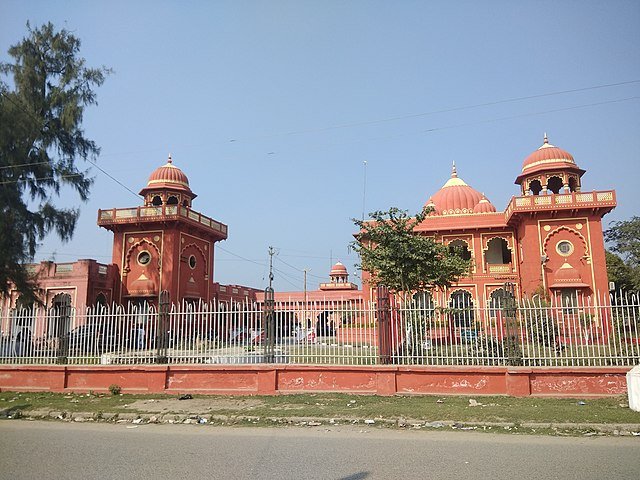
Maharaja Laxmishwar Singh Museum, located in Darbhanga, Bihar, is a museum that offers a glimpse into the grandeur and cultural heritage of the Darbhanga Raj. The museum is named after *Maharaja Lakshmeshwar Singh, a key figure of the royal family, who played a significant role in shaping the history and culture of the Mithila region.
Established in 1977, the museum houses a vast collection of artifacts, sculptures, manuscripts, coins, and items of personal use from the Darbhanga royal family. Visit during One Day Darbhanga Sightseeing Trip By Private Cab
The museum showcases the historical legacy and the contribution of the Darbhanga royals to the art, culture, and political landscape of Bihar. It’s an ideal destination for history enthusiasts, art lovers, and those interested in the heritage of the Mithila region. The museum’s exhibits provide deep insights into the region’s socio-political history, its rulers, and their patronage of arts. You can read Bodh Gaya Archaeological Museum: Exploring Famous Ancient Buddhist History
Location of Maharaja Laxmishwar Singh Museum
- Address: Maharaja Laxmishwar Singh Museum, Darbhanga, Bihar, India
- Coordinates: 26.1511° N, 85.8918° E
The museum is centrally located in Darbhanga and is easily accessible from various parts of the city. It is situated in the heart of the Darbhanga Palace complex, adding to its historical significance.
Timings and Entry Fees
- Museum Timings: The museum is open to the public from 10:00 AM to 5:00 PM on all days except Mondays and public holidays.
- Entry Fees:
- Adults: ₹20
- Children: ₹10
- Special discounts may apply for students and group visits.
How to Reach Maharaja Laxmishwar Singh Museum
By Air
The nearest airport to Maharaja Laxmishwar Singh Museum is *Darbhanga Airport, located about *10 kilometers from the museum. The airport is well-connected to major cities such as *Delhi, **Mumbai, and **Bengaluru. Upon arrival, you can hire a taxi or take local transportation to reach the museum within *20-30 minutes.
By Rail
The closest railway station is *Darbhanga Junction, situated around *3 kilometers from the museum. Darbhanga Junction is an important railway hub in Bihar, with direct trains from *Patna, **Kolkata, **Delhi, and *Varanasi. From the station, you can take an auto-rickshaw or taxi to reach the museum.
By Road
Darbhanga is well-connected by road to major cities in Bihar and neighboring states. You can reach the museum via private car, taxi, or bus.
- From Patna: The museum is about 140 kilometers from Patna. The drive takes approximately 3 hours via NH31.
- From Muzaffarpur: Darbhanga is 60 kilometers from Muzaffarpur, and it takes around 1.5 hours to reach the museum by road.
Buses, shared taxis, and private vehicles are available for travelers heading to Darbhanga from nearby cities.
Things to Do at Maharaja Laxmishwar Singh Museum
- Explore Royal Artifacts: The museum houses a rich collection of artifacts from the royal family of Darbhanga. Visitors can view *antique weapons, **coins, *jewelry, and personal items of the Maharajas that date back centuries.
- Admire Ancient Sculptures: The museum has an impressive collection of stone sculptures and bronze statues representing the art and religious beliefs of the region. These sculptures provide insight into the artistic traditions of Mithila and Bihar.
- Discover Historical Manuscripts: For those interested in literature and history, the museum has an array of ancient manuscripts, many of which highlight the cultural and intellectual achievements of the Darbhanga Raj.
- View the Numismatic Collection: One of the key attractions of the museum is its extensive collection of coins from various dynasties. These coins offer a glimpse into the economic and political history of the region.
- Learn About Mithila’s Culture: The museum showcases various items representing the Maithili culture, including traditional Mithila paintings, musical instruments, and religious artifacts, providing visitors with a deep understanding of the local traditions and customs.
- Attend Special Exhibitions: Occasionally, the museum hosts special exhibitions focusing on particular themes related to *Bihar’s history, *Mithila art, or specific contributions of the Darbhanga royals. These events are a great opportunity for history buffs and students to delve deeper into the museum’s collections.
Nearest Tourist Attractions of Maharaja Laxmishwar Singh Museum
- Ahilya Asthan: Located about 32 kilometers from the museum, Ahilya Asthan is a revered temple dedicated to *Devi Ahilya, known for its mythological significance and association with *Lord Rama.
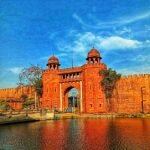
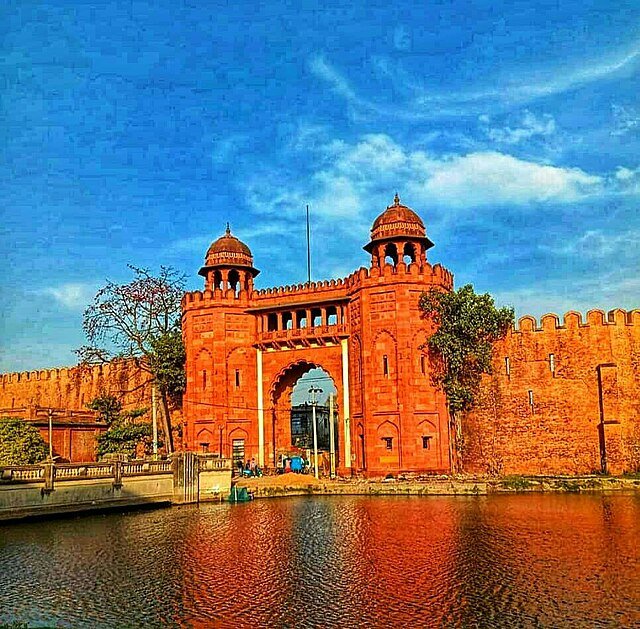
- Darbhanga Fort: Situated just 2 kilometers from the museum, Darbhanga Fort is an architectural marvel that reflects the royal grandeur of the Darbhanga Raj. Visitors can explore the fort’s historical structures, including its gates, walls, and palace ruins.
- Shyama Kali Temple: This popular temple, located around 3 kilometers from the museum, is dedicated to Goddess Kali and is a significant religious site for locals and tourists alike.
- Mansaar Lake: Approximately 5 kilometers away from the museum, Mansaar Lake is a beautiful natural spot where visitors can enjoy boating and relax amidst nature.
- Kusheshwar Asthan Bird Sanctuary: Located about 40 kilometers from Darbhanga, this sanctuary is ideal for bird lovers, especially during the migratory season when rare bird species can be spotted.
- Chandradhari Museum: Situated in Madhubani (about 60 kilometers away), this museum offers another cultural experience, focusing more on the Mithila region’s folk art and history, including Mithila paintings.
Significance/History of Maharaja Laxmishwar Singh Museum
The museum is named after Maharaja Lakshmeshwar Singh, the ruler of Darbhanga from 1858 to 1898. Known for his visionary leadership, Maharaja Lakshmeshwar Singh was a prominent philanthropist, educationist, and reformer. He was instrumental in modernizing the Darbhanga Raj, promoting education, and uplifting the region’s socio-economic standards.
The Maharaja’s contributions to public welfare were not limited to Darbhanga but extended throughout Bihar. He was a key figure in the development of schools, hospitals, and infrastructure in the region. Under his reign, the Darbhanga Raj flourished, and the royal family became known for their patronage of the arts, culture, and architecture.
The museum was established to preserve and showcase the rich heritage of the Darbhanga royal family. The items on display reflect the wealth, power, and cultural contributions of the Darbhanga Raj, offering visitors a chance to step back in time and explore the lives of the region’s rulers.
FAQs about Maharaja Laxmishwar Singh Museum
What are the opening hours of the museum?
The museum is open from 10:00 AM to 5:00 PM every day except for Mondays and public holidays.
Is photography allowed inside the museum?
Photography is generally not allowed inside the museum to protect the artifacts. However, you can check with the museum staff for any special permissions.
Are there any guided tours available?
Yes, guided tours are available upon request. The museum staff can provide detailed information about the exhibits, helping visitors better understand the significance of the artifacts.
Is the museum suitable for children?
Yes, the museum is suitable for children and can be an educational experience for them, especially those interested in history and culture.
How long does it take to tour the museum?
A typical visit to the museum takes about 1 to 2 hours, depending on how much time you spend exploring each exhibit.
Are there any eateries or cafes near the museum?
While there are no eateries inside the museum, there are several local restaurants and cafes within walking distance in Darbhanga city where you can enjoy local cuisine.
What is the best time to visit the museum?
The best time to visit the museum is during the cooler months between October and March, when the weather is pleasant for sightseeing.
Conclusion
Maharaja Laxmishwar Singh Museum is not just a repository of artifacts but a gateway into the royal past of Darbhanga. It provides visitors with a chance to explore the history, culture, and artistic achievements of the Darbhanga Raj, one of the most significant princely states in Bihar. Whether you are a history enthusiast, a student of art, or a traveler seeking to understand Bihar’s cultural heritage, this museum offers a rich and rewarding experience.
With its proximity to other historical and religious attractions like Darbhanga Fort and Shyama Kali Temple, a visit to the museum can easily be combined with other nearby sightseeing experiences, making it an essential stop on any cultural tour of Darbhanga.